About us
Why we started Daylight
We're a blended family, and we live with complex needs that mostly don't show. We've seen how often that shuts people out. Daylight is the place we wish had been there.
How it started
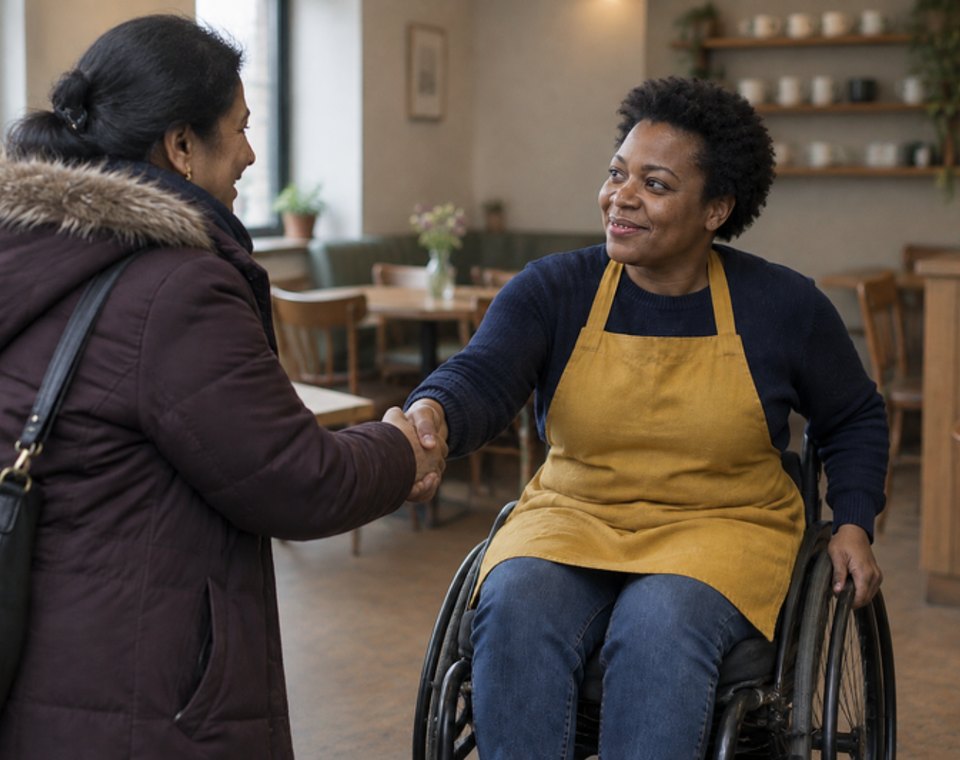
Daylight was started by the two of us. We live in the Exeter area and we're its directors.
Between us we've worked in nursing, across many specialties and with people from all walks of life, in publishing, digital media and community work, and as a teacher and team leader with young people who have a wide range of needs.
We're both parents of children with additional needs, and we both know what it's like to live with long-term health conditions that don't show. We've seen how often a job, a club or a course was closed to someone because nobody had thought about how they could take part. Daylight is our answer to that.
Who it's for
Daylight is for young people and adults in the Exeter area who have visible, hidden or complex disabilities and find themselves isolated or shut out of training and work. That includes people with physical, sensory and learning disabilities, autistic people, people with long-term mental health conditions or brain injuries, and people whose conditions cause pain or fatigue. We don't ask for a diagnosis. We'll ask what would help and write it down, so you only have to say it once.
It's also for the people around them: families and carers, employers, social services and Jobcentres. And for customers and neighbours, who'll see a mixed team at work every time they come in for a coffee.
Our mission
A new beginning for everyone who comes along
Daylight is setting up workplaces in the Exeter area where disabled and non-disabled people work side by side.
Like the sun in our logo, we want Daylight to be a fresh start. We'll help disabled adults and young people, whether or not their disability shows, and anyone else shut out of work, towards paid jobs and out of isolation.
Our cafe and our craft and skills workshops will be adapted to the person doing the job, and local groups will be able to afford our community room. Employers will be able to walk in and see it working. All our surplus goes back into the company, and the people involved advise the directors through a steering group.
A space for all
The distance between people is increasing
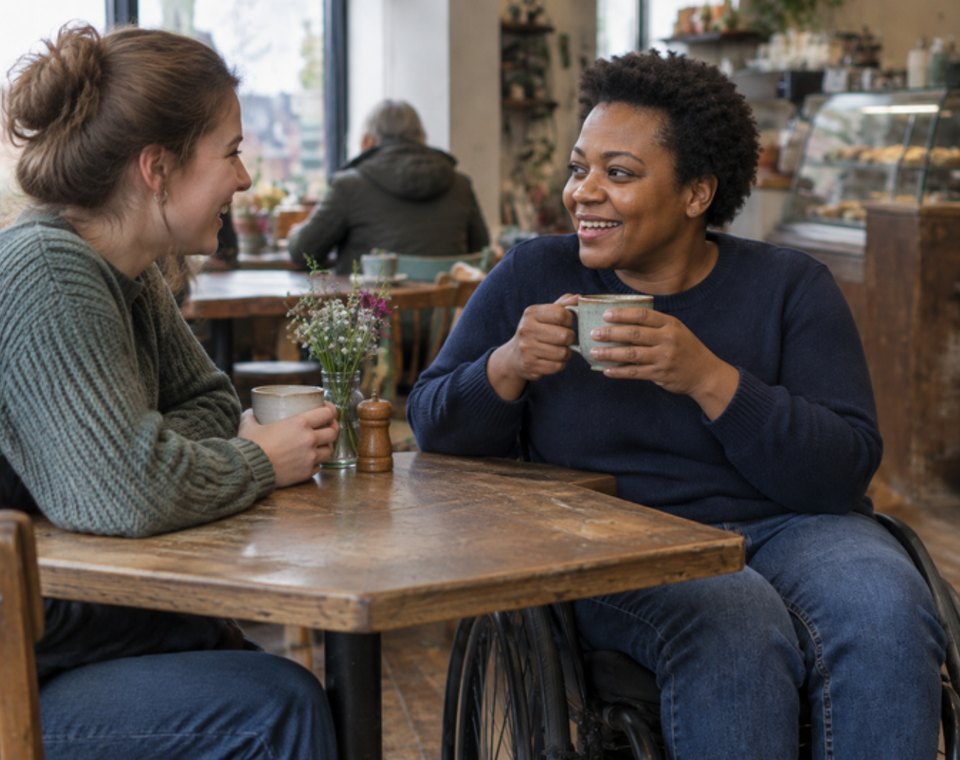
Technology does a lot for us, but it also keeps people apart. Shopping, banking, work and even talking to friends can all happen through a screen now, and many people spend most of their day on their own.
We hope that by creating a space for all, we can do our bit to close that distance. The cafe, the workshops and the hub are places to be with other people, whether you come to work, learn, meet up or just have a cup of tea.

Our name and logo
Why it's called Daylight
The sun in our logo stands for a new beginning. For many people who come to Daylight it will be a fresh start: a first job, a way back to work after a long gap, or a reason to get out of the house and be with other people.
The navy and yellow are early morning turning into full daylight. The rays are the energy we hope people take away with them, and the D in the middle is for Daylight.
What we believe
The ideas behind Daylight
Work is work
Colleagues turn up and do their bit. We set a realistic standard and help people meet it.
Barriers are usually in the building
If someone can't do a task, we first ask what about the task or the room is in the way. Colour-coded jars, a stool, written steps, a quieter corner. Often it's a ten-pound fix, and where it isn't, we raise the money for the adapted kit.
Nothing about us without us
We live with long-term conditions ourselves. We want disabled people among our directors, and our steering group gives the people who use Daylight a direct say in how it's run.
Everyone has a role
Everyone at Daylight is something specific: staff, volunteer, someone on work experience, visitor or customer. We talk to people directly, and we don't discuss anyone behind their back.
How we're set up
What "CIC" means
Daylight is a community interest company. That's a limited company with a legal duty to work for the benefit of the community. It isn't a charity. It can trade, employ staff and apply for grants.
Our rules, set out in our articles of association, say:
- Daylight isn't run for private gain. Any surplus is used for the community, and ours will all be reinvested in workshops, adapted equipment and outreach.
- Our assets are locked to community use. If the company closed, anything left after paying its debts would go to Gaia Giving CIC, another asset-locked community company.
- Every year we file a report with the CIC Regulator saying what we've done for the community and who we've asked.
- Daylight isn't a political party or campaigning organisation, and never will be.
Because we aren't a charity, donations to us can't have Gift Aid added.
Who decides
The directors and the steering group
Our two founders are the directors. Day-to-day decisions are theirs, and they're legally responsible for the company.
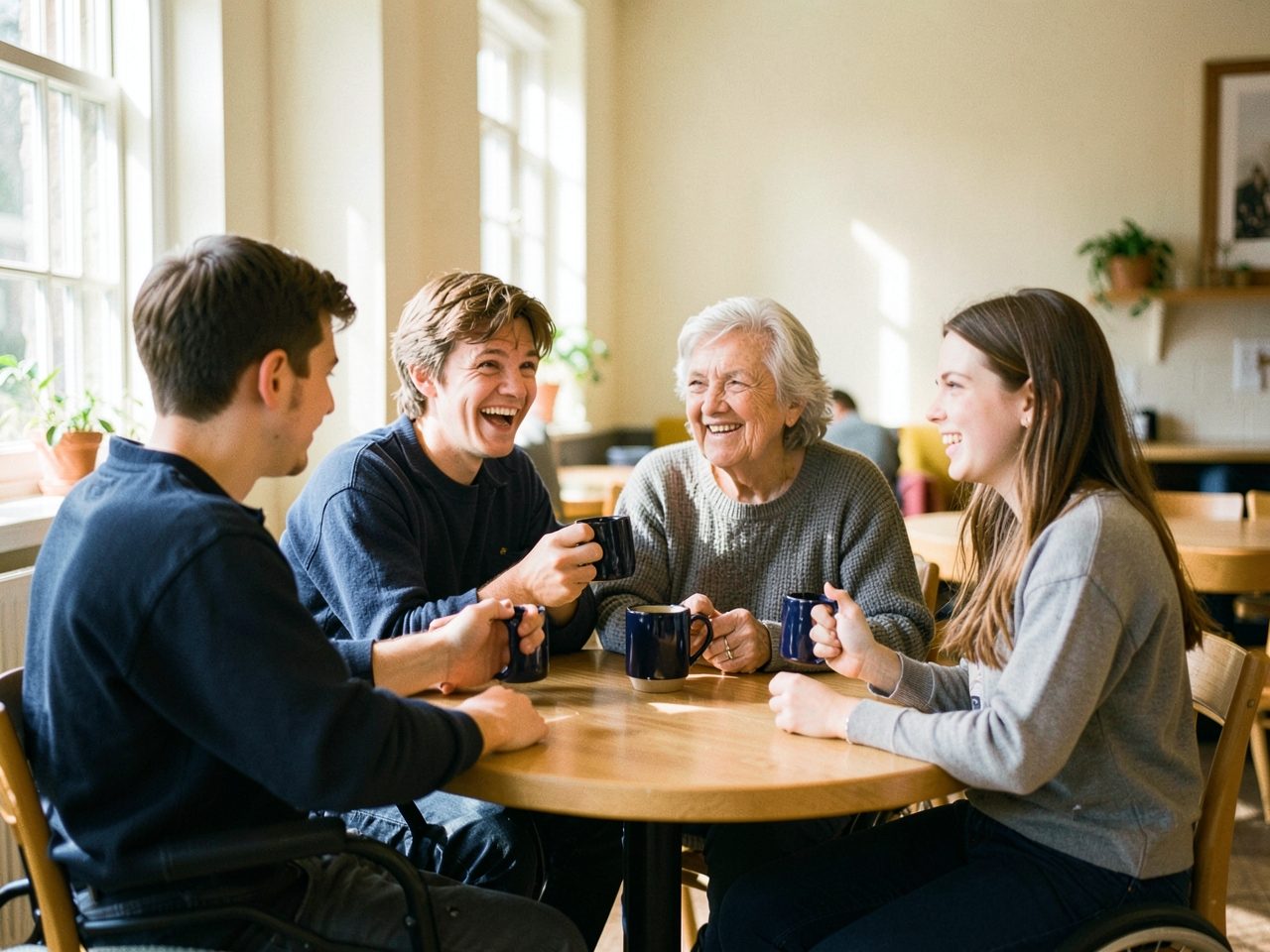
Our articles also set up a steering group. It's open to people who use Daylight, volunteers, staff, carers, local residents and partner organisations. It advises the directors on what Daylight does and how, and the directors must take its recommendations into account. Members of the steering group don't become directors or take on any legal liability.
Wanted
Non-exec directors
to join us on our adventure
Help steer Daylight from the start. If you'd like to be one of our non-executive directors, we'd love to hear from you.
Want to talk about it?
The plan is still easy to change. Drop us a line and we'll arrange a chat.